



may 2015 | by susan jurasz
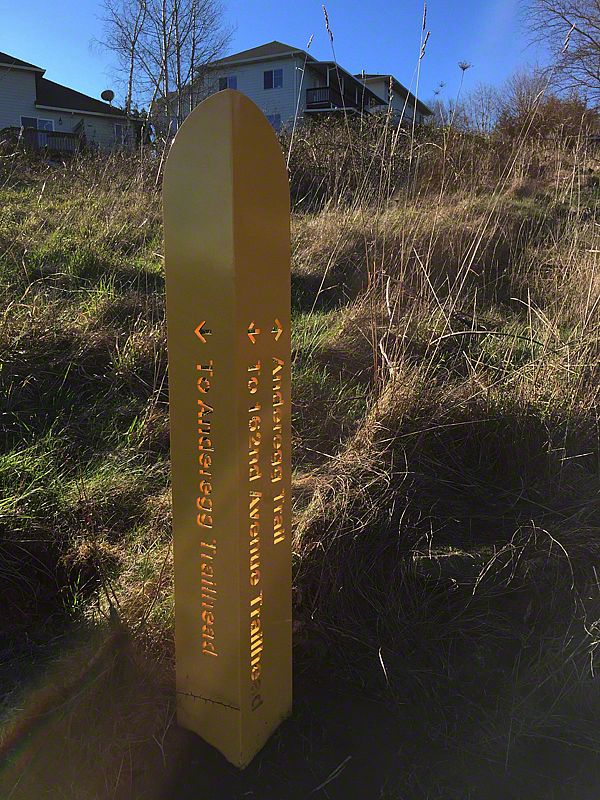
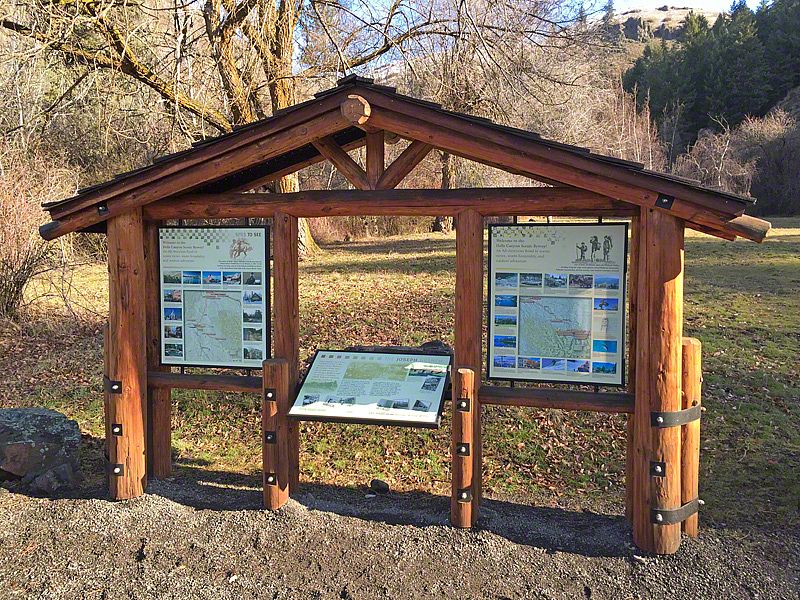
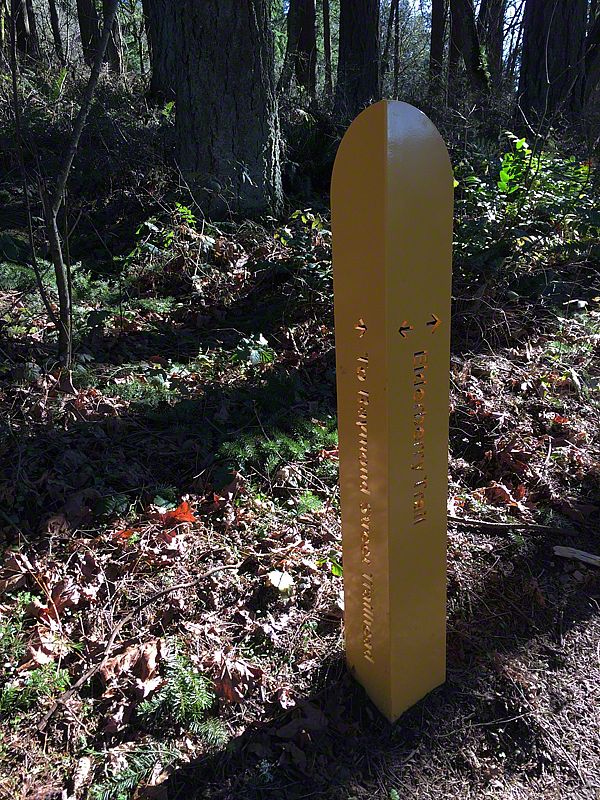
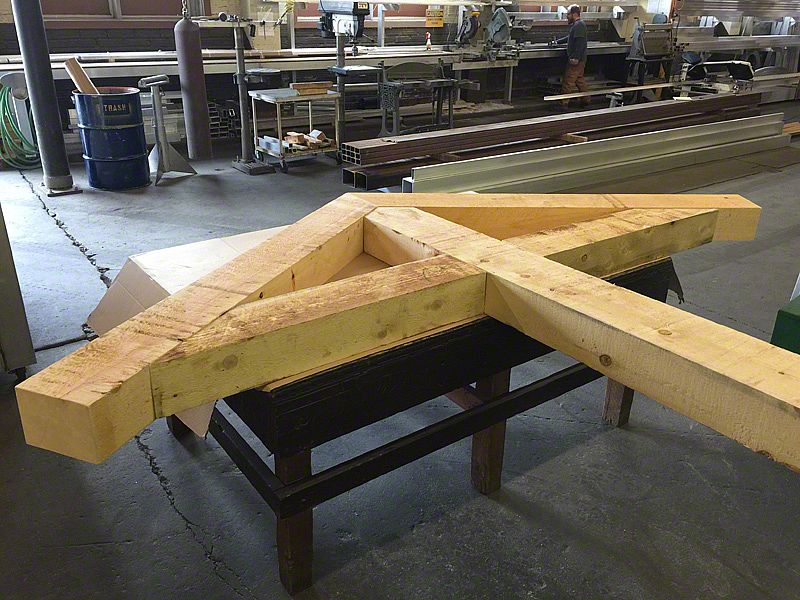
The Iditarod National Historic Trail is a system of traditional winter trails linking Seward on Alaska’s southern coast with Nome in the arctic. Administered by the Bureau of Land Management, the INHT passes through over a thousand miles of state and federal lands. The historic trail system is being celebrated with a series of Alaskan Yellow Cedar roofed kiosks. Sea Reach is currently under contract to build and install nine of these kiosks along the trail’s southern section, between Seward and Anchorage, and building them gives us a chance to reflect on the special world of wood and steel construction.
After years of working with metal, we’ve developed some intimate knowledge about it—knowledge that is only important in the circles where it is applicable. Who thinks about the various alloys of aluminum: which can be bent and which break when put under stress? And why is it that the alloy that cannot be bent is rated for a higher wind-load? And with all this contemporary infatuation with weathering steel, how many people who request it actually know what ingredients are required to allow that designation, and how does it differ from mild steel?
With wood, it can be just as complex—there are so many variables, so many choices. Rough sawn or dimensional? Flat-cut, heart side, quarter-sawn and edge-grained. Mill rough, standard sawn, resawn, exposed, SAS, green, kiln dried. After picking and choosing among these descriptors, there’s more to consider: tension parallel to grain? Horizontal shear? And this is just scratching the surface!