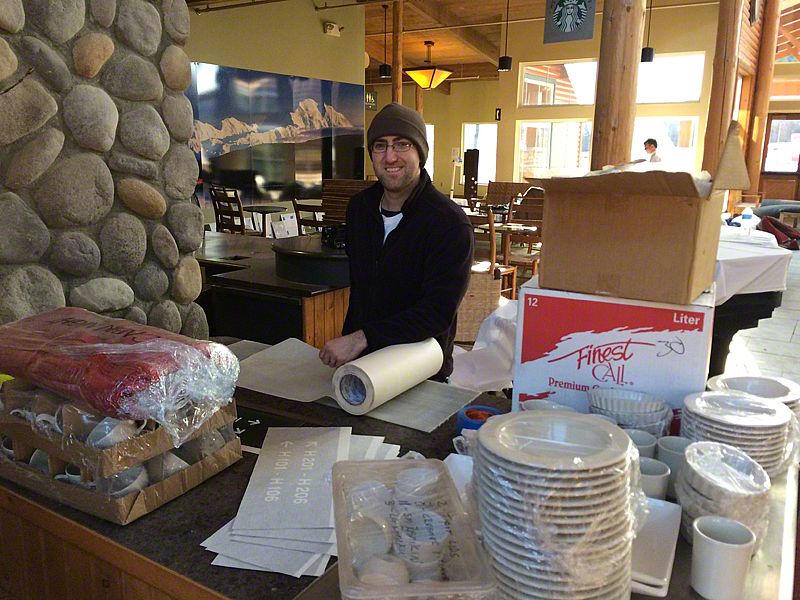
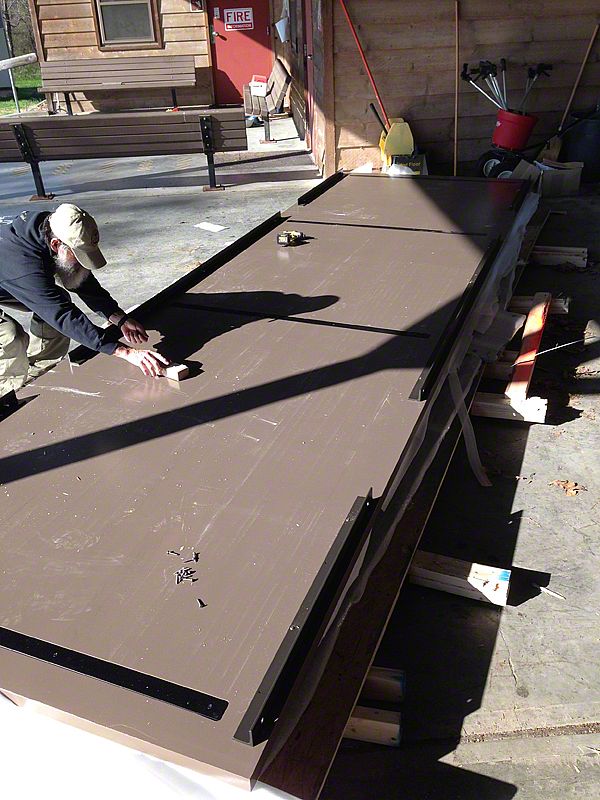
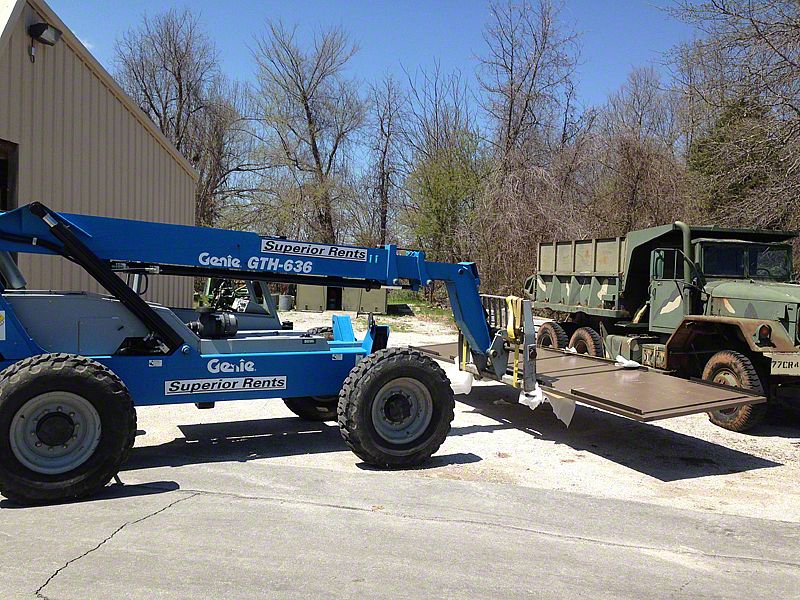
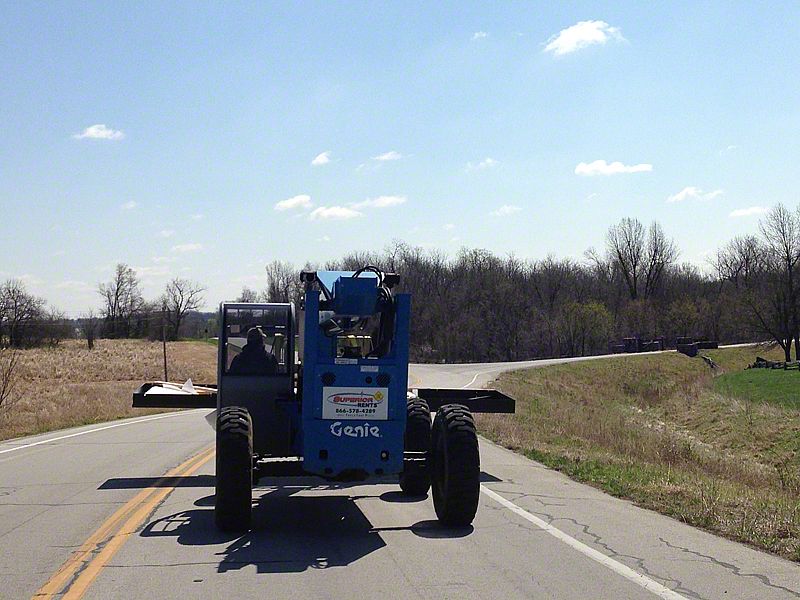
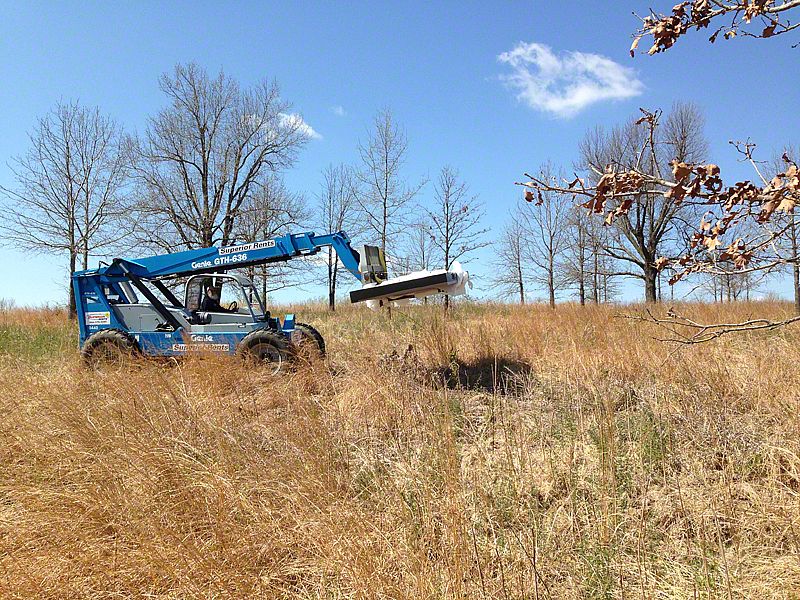
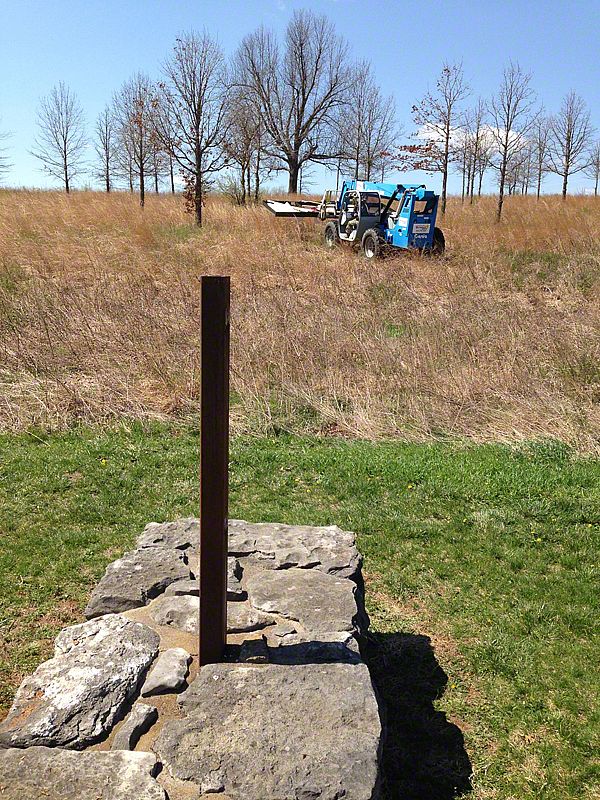
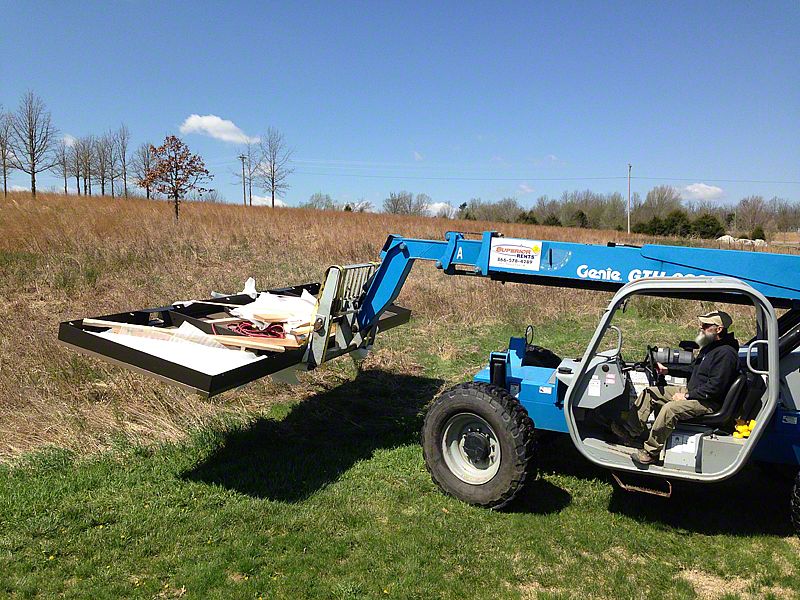
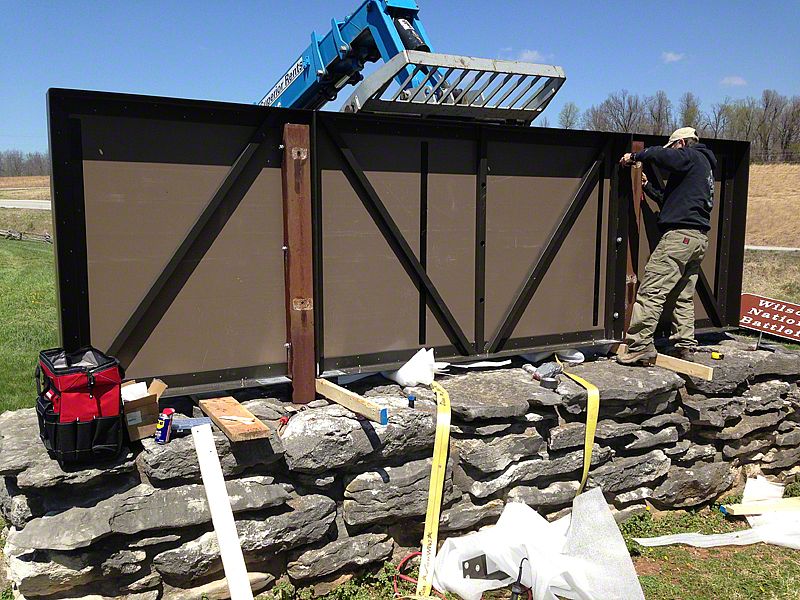
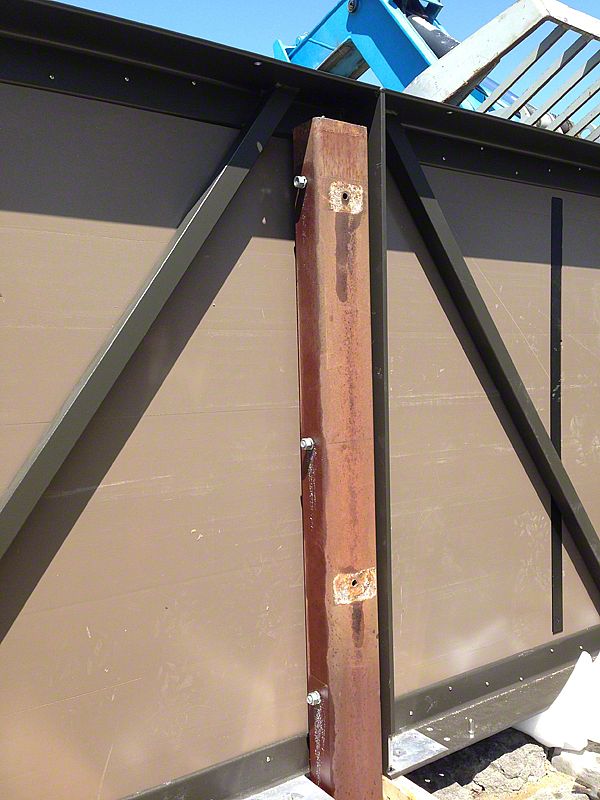
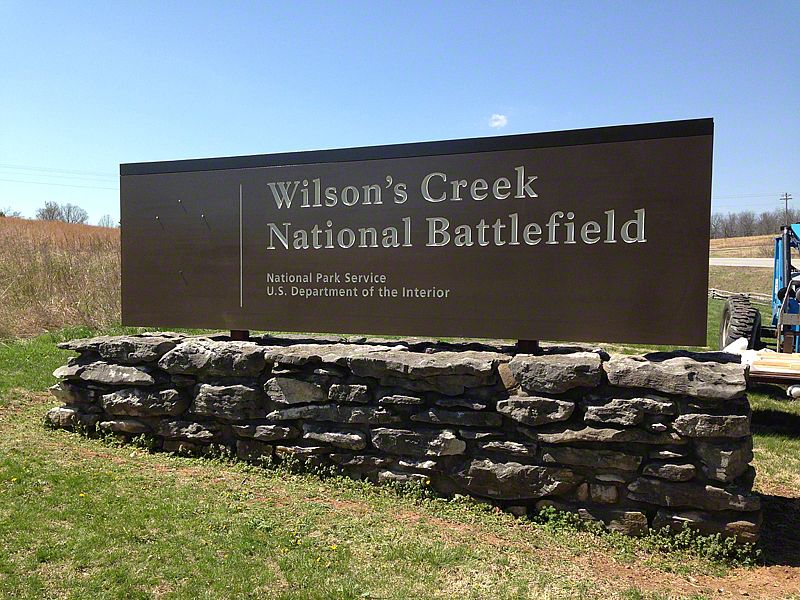
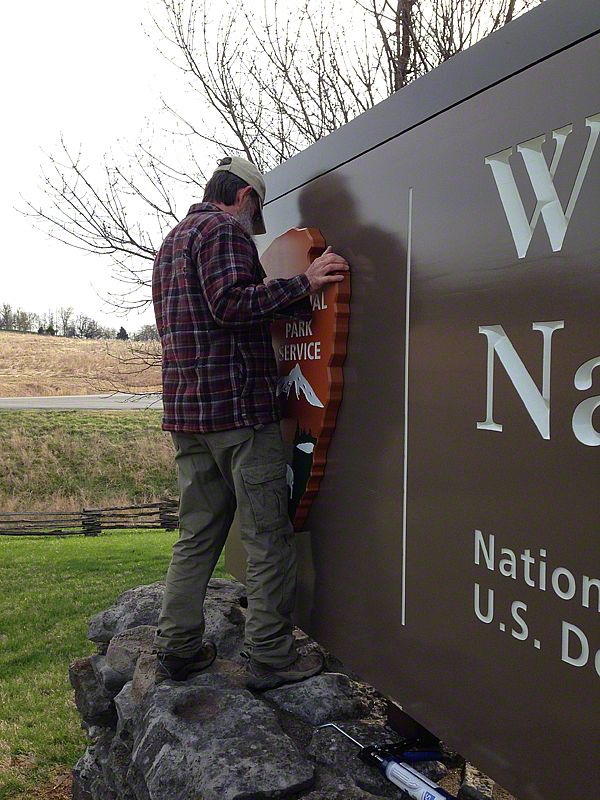
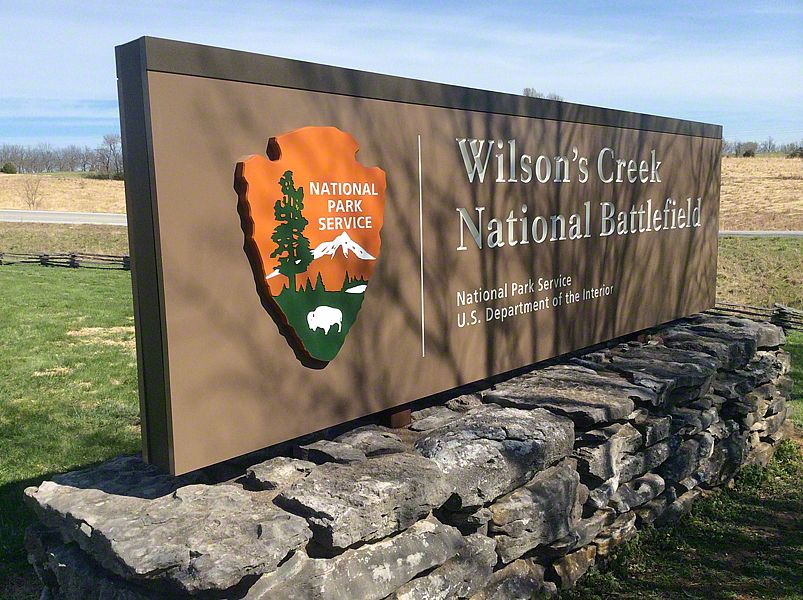
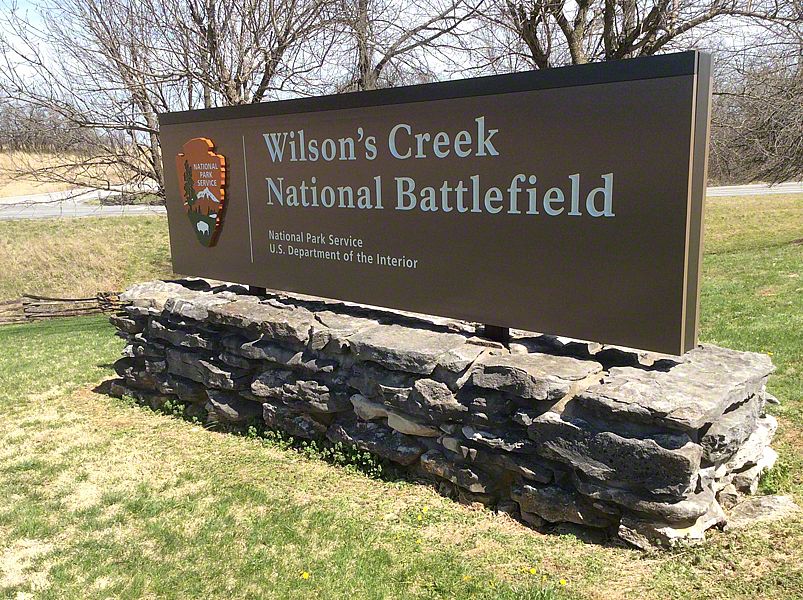
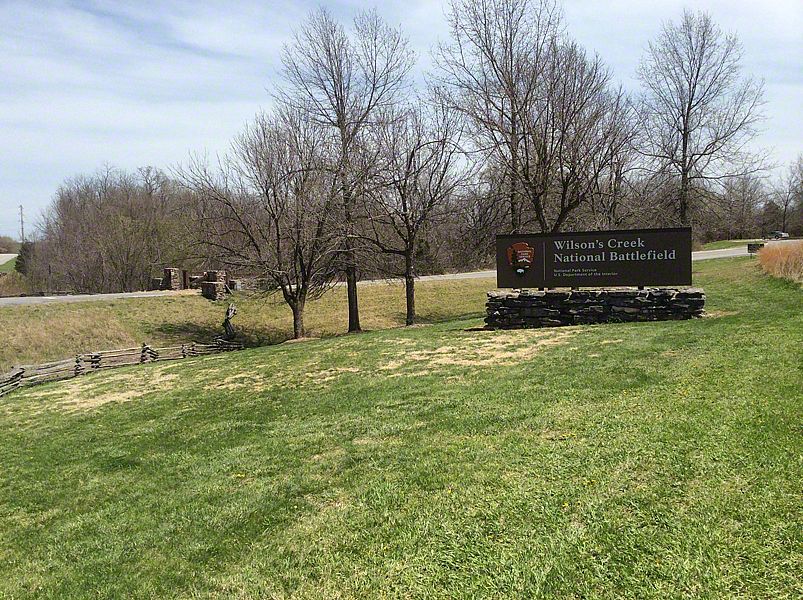
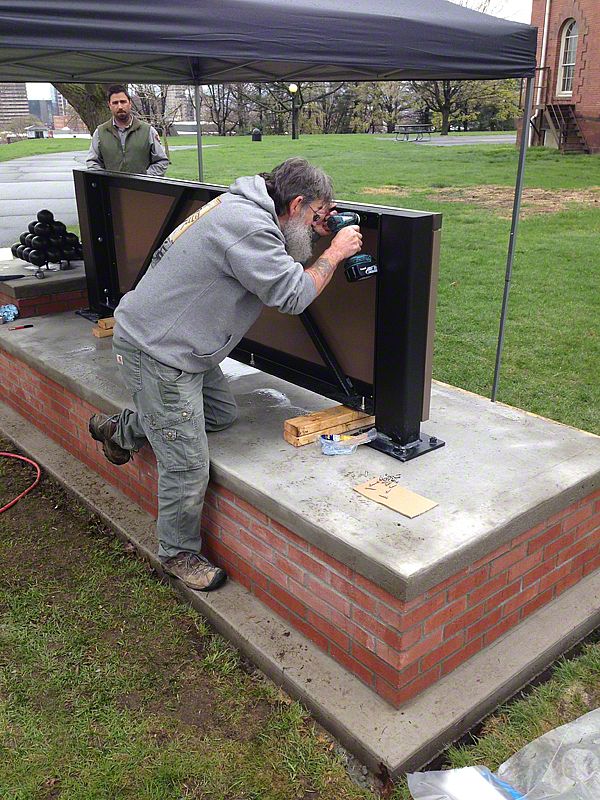
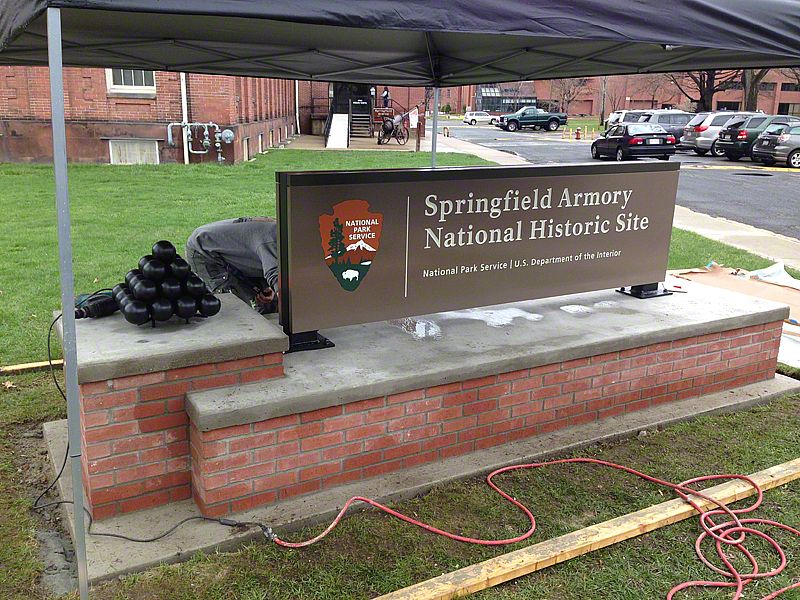
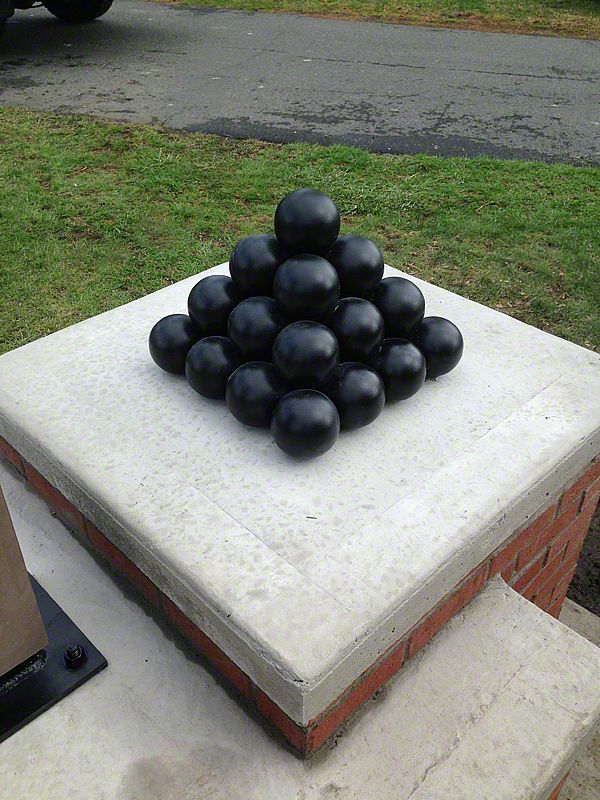
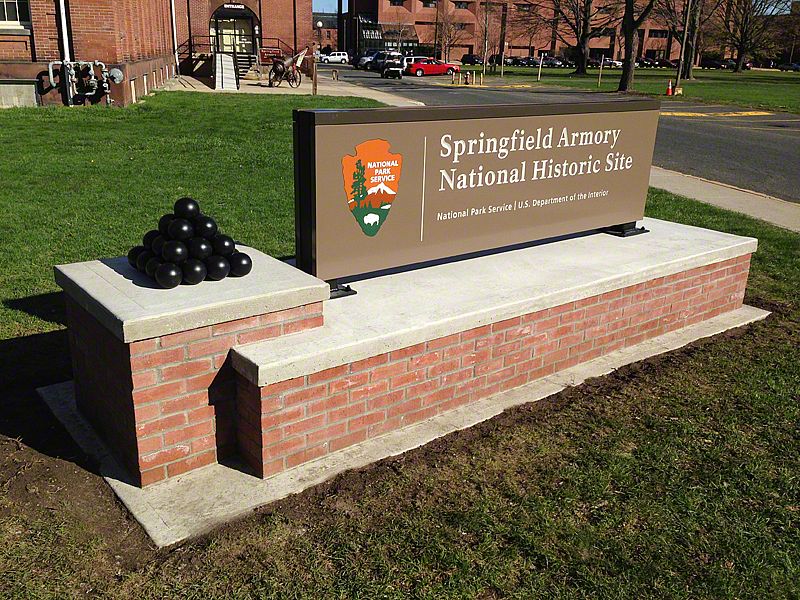
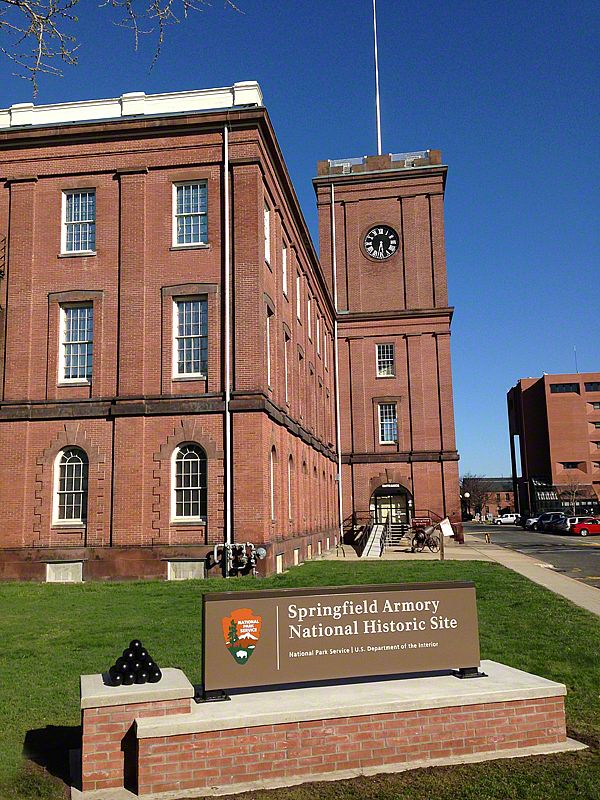
 We arrive at the Springfield National Armory a week after our installer, Ray, who has been succeeding despite some interesting challenges. "Yup, they were all surprised when I showed here alone, a crew of one." And indeed he is a crew of one. Ray has been installing Sea Reach signs all over the US and many times he works alone. He likes it. "There is no confusion that way, one opinion, one way to get it done, and that's my way." The truth is, Ray is amazing. We have worked together for over twenty years, he even built the Sea Reach offices (yes, single-handedly) and he has installed in rain, sleet, and snow. When we bid the monument sign for the Springfield National Armory, the job appeared easy and straightforward, but every install has its quirks.
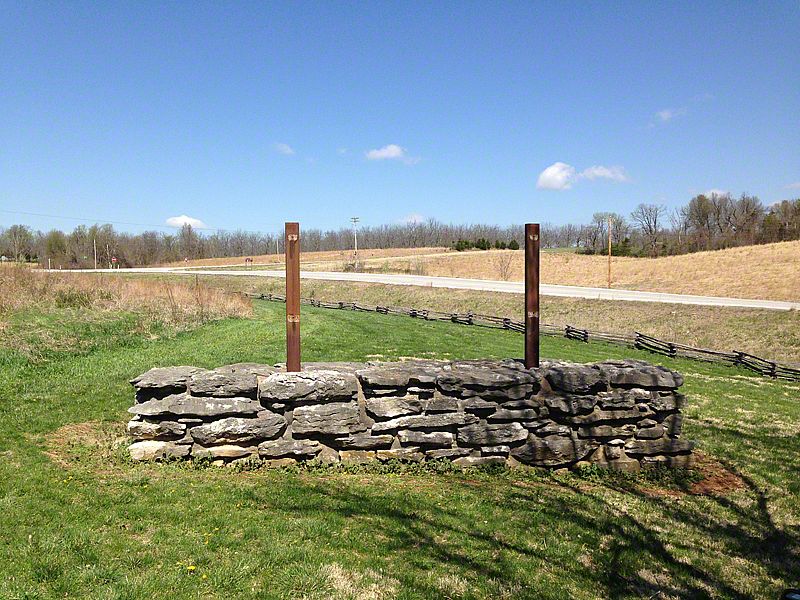
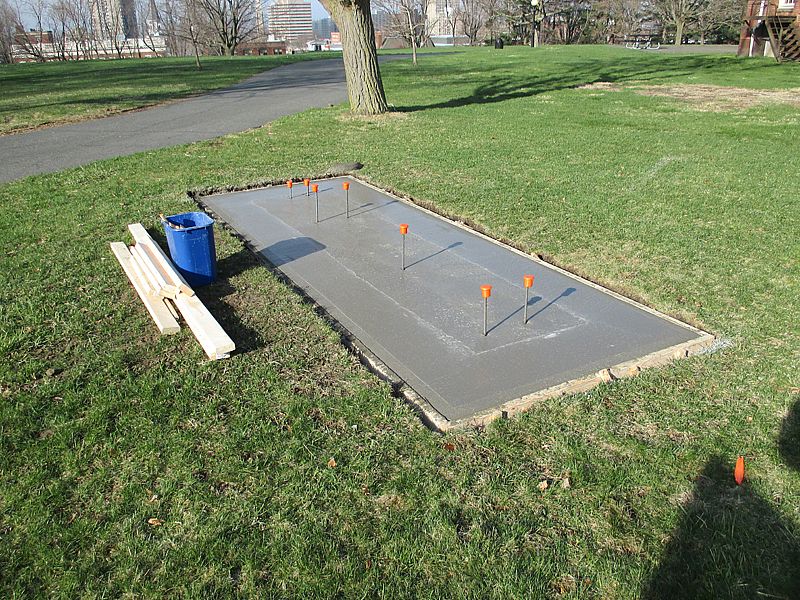
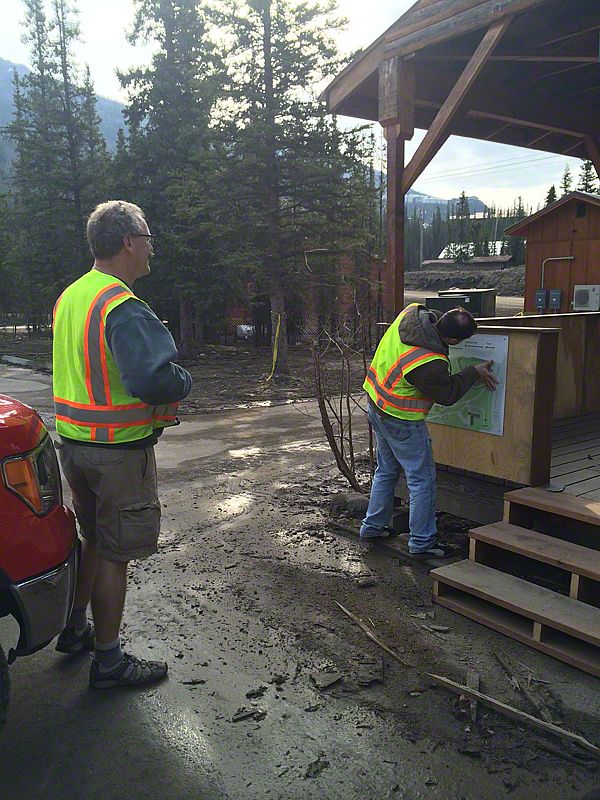
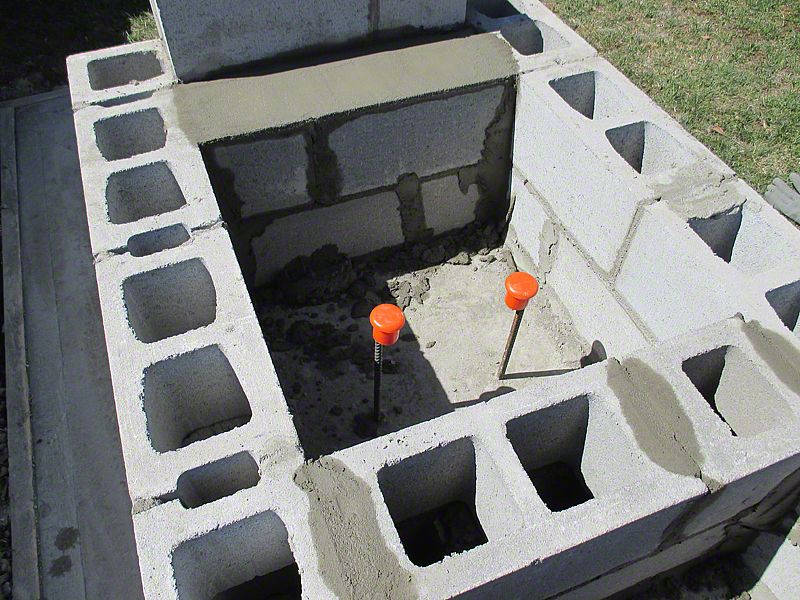
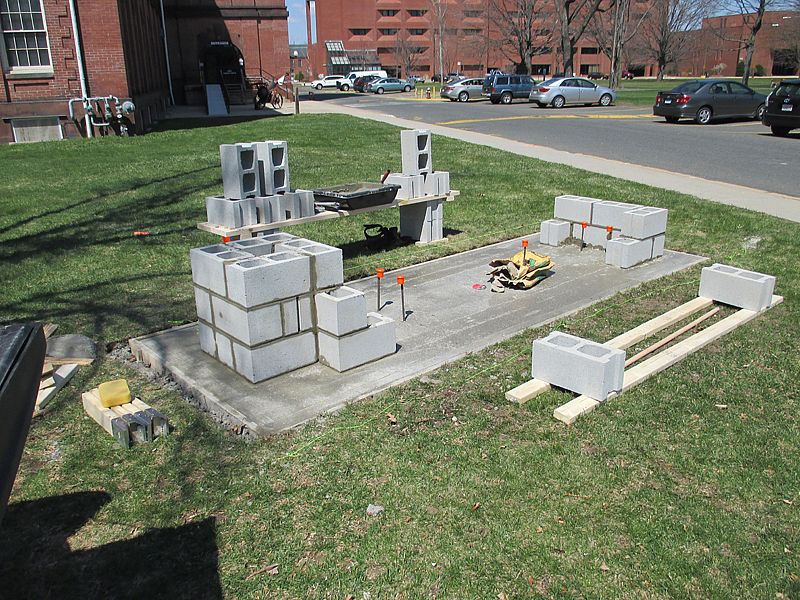
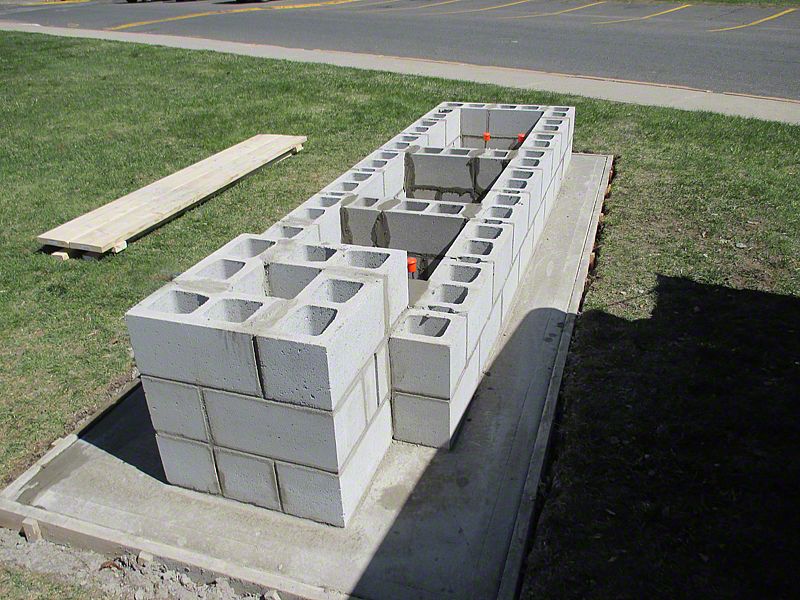
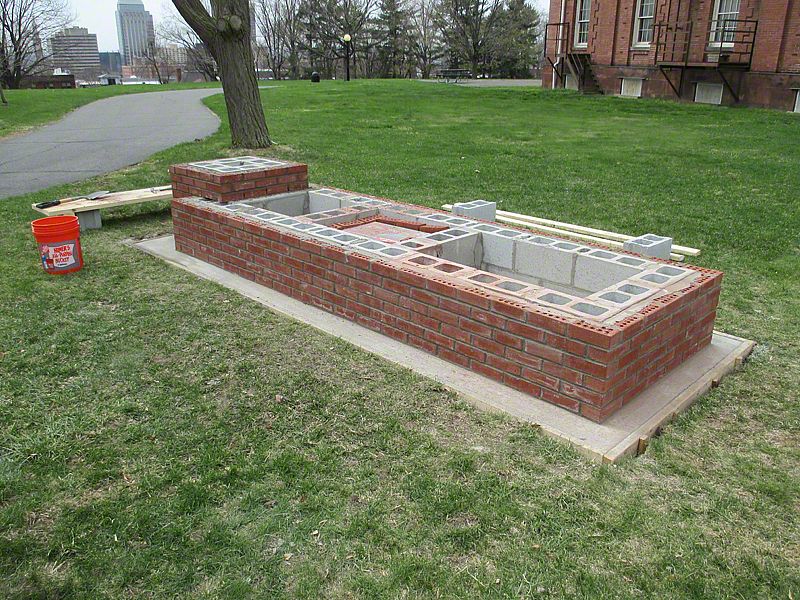
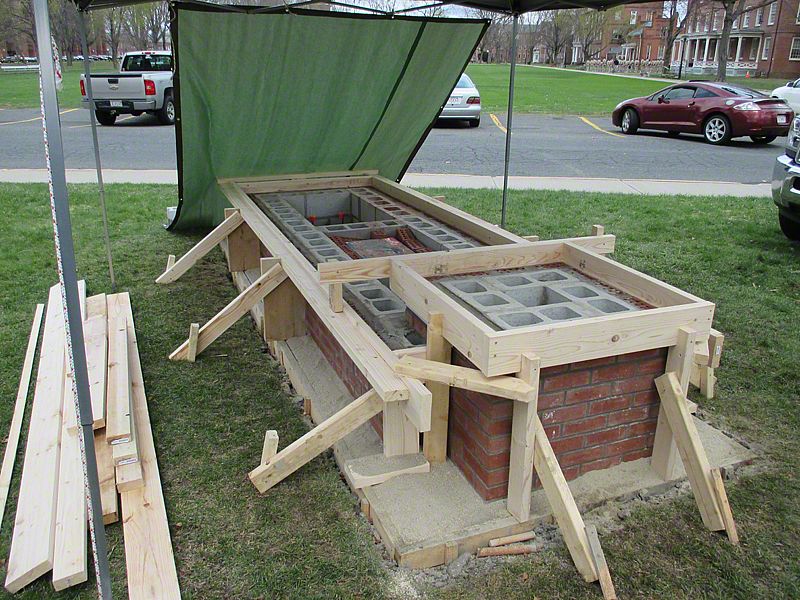
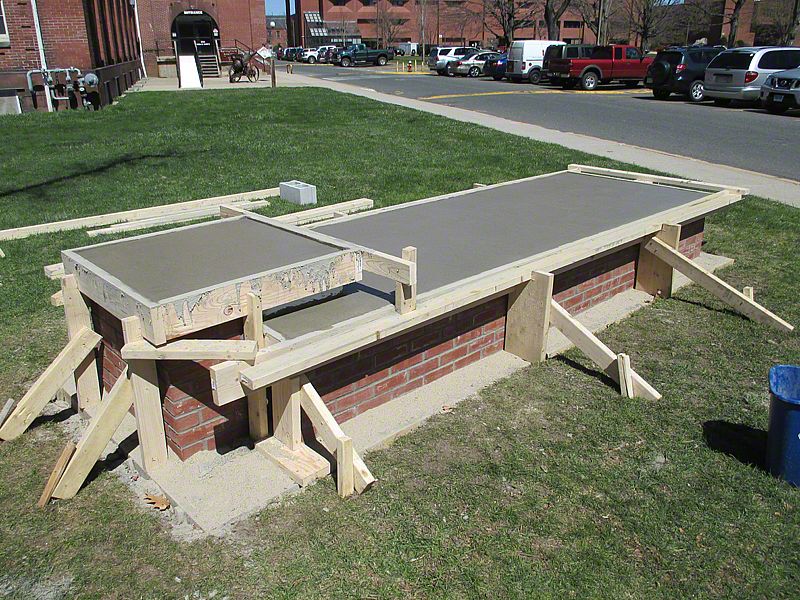
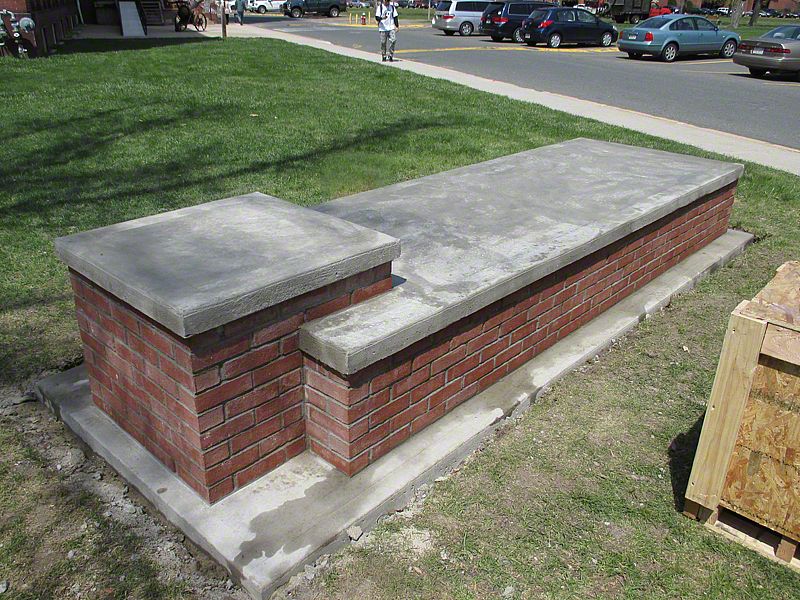
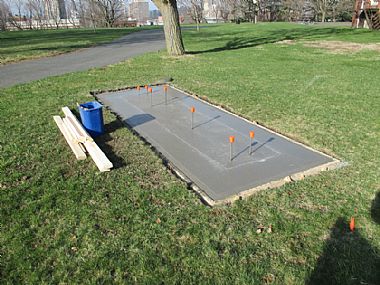
Arriving on Good Friday, Ray met with Park staff to discuss sign location and details regarding his approach to the masonry. Project schedules are set in place months before travel, and I did not realize I had set Ray up to either dig a foundation, frame it up, and pour concrete in less than four hours or remain idle miles away from home through Easter weekend. So, he set to work immediately. All by hand, in less than two hours, he had removed the old sign, dug the foundation, framed for the pour, and met the concrete truck he ordered that very day. While the rest of the project should have been a home run after that, he soon discovered his next challenge. For the rest of the concrete block, brick and mortar work, Ray intended to mix the cement in smaller batches by hand, but the only source of water was in the National Park Service visitor center's bathroom. It was nearby, yes, but the bathroom was kept locked. So every time Ray needed water, he had to flag someone down to let him into the bathroom. He was very good natured about this inconvenience until he was nearing the end of the brickwork on the fourth day and his rinse water was too dirty to use, with mortar hardening and a sense of urgency, Ray could not find a man or woman with a bathroom key. Ever the perfectionist, this made Ray mad. He did ultimately find someone, and he rinsed the bricks in time, but we all got to hear this story when we arrived for the final inspection. Installing exhibits inside or outside always presents some interesting challenges. But we love it. It keeps us sharp, inventive, and forever learning.
Ray's reward was a private tour of the worlds largest collection of guns. While I am not a gun enthusiasts by any means, I was incredibly impressed by the breadth of the collection. My favorite was the world's smallest gun and the "liberator" a mass produced pistol used in World War II. The liberator is quite crude looking, almost not even recognizable as a gun. It was produced by the thousands and air dropped over Europe. It could only fire 2-3 times. That's it. And it was used to "liberate" a German soldier of his weapon.