



march 2014 | by susan jurasz | show project 
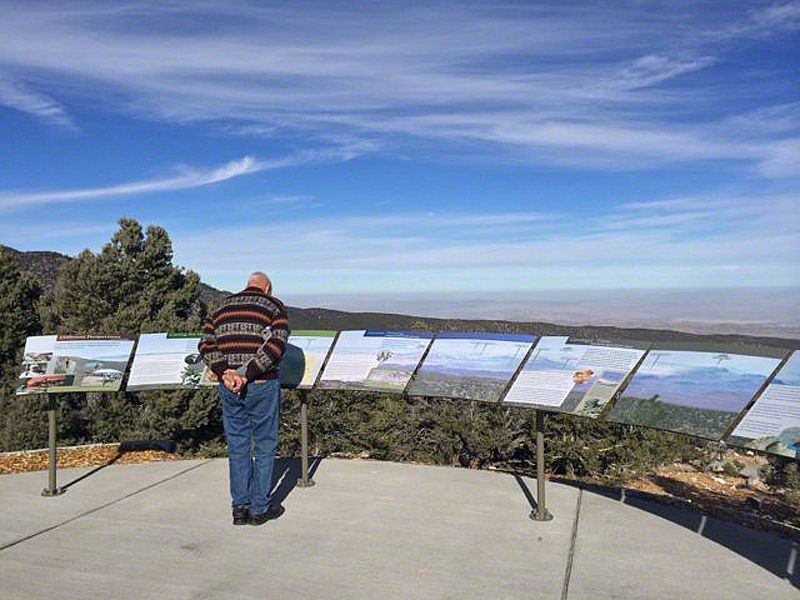
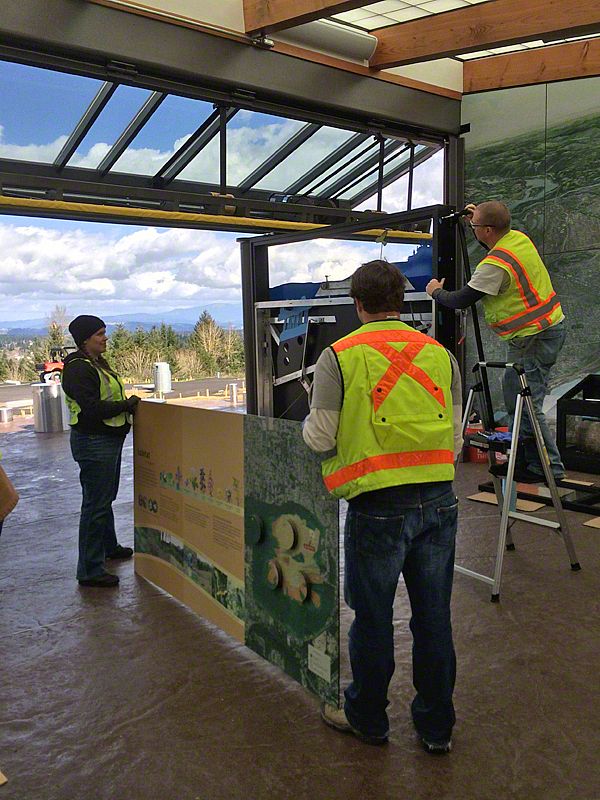
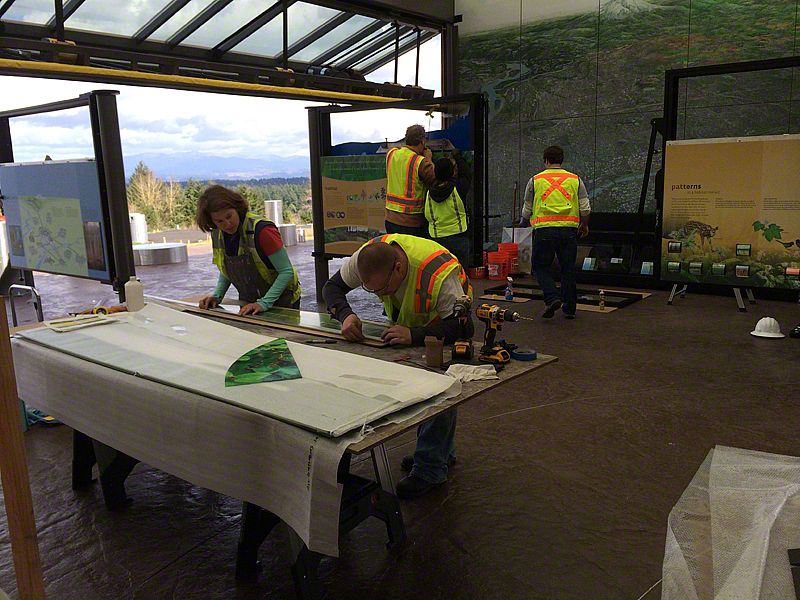
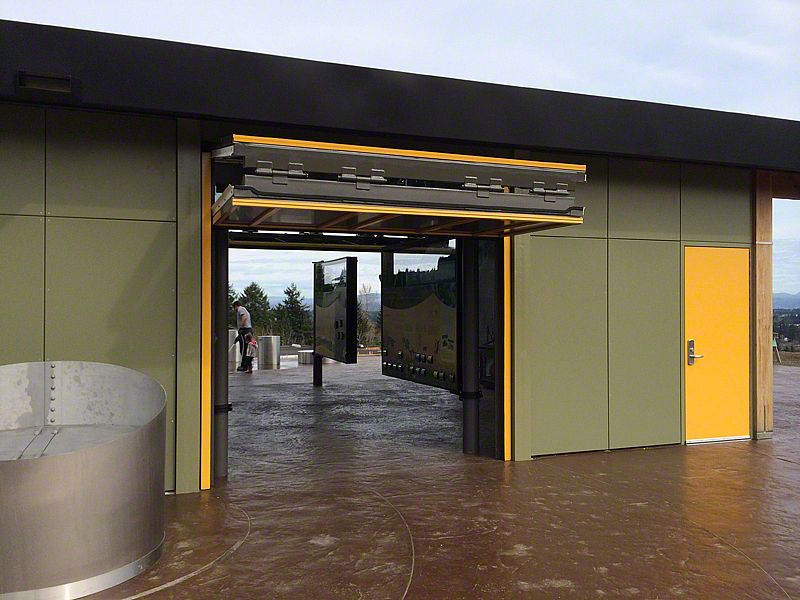
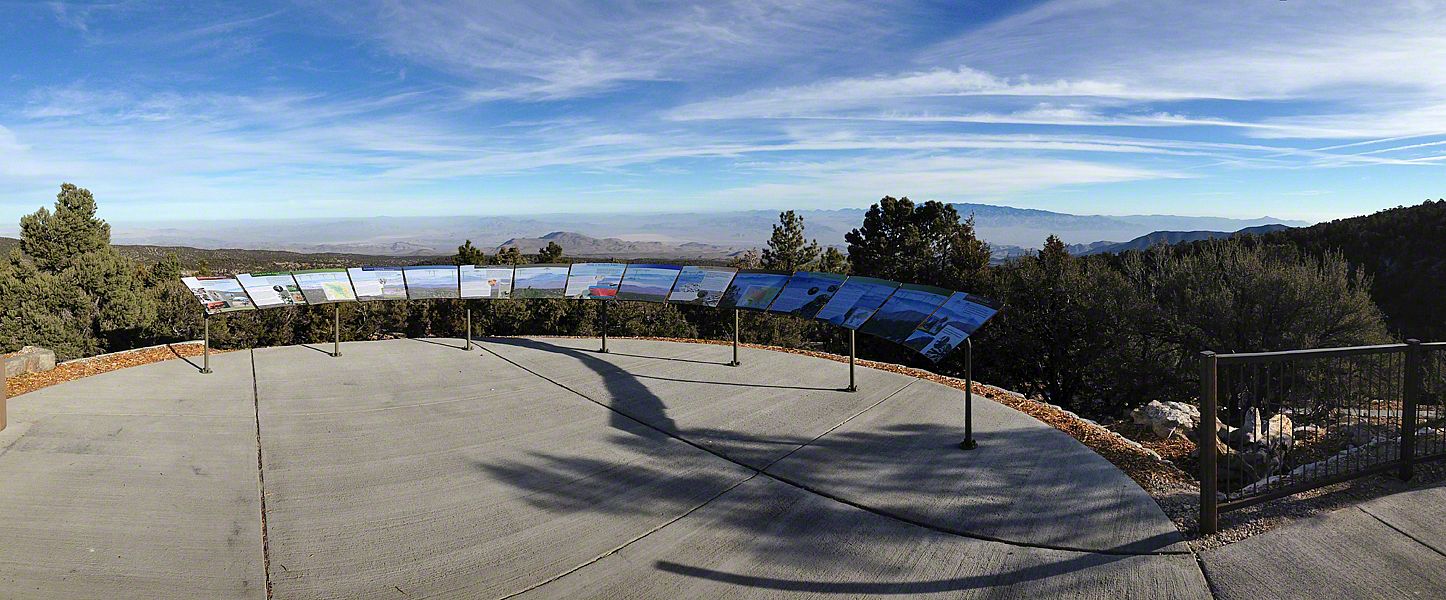
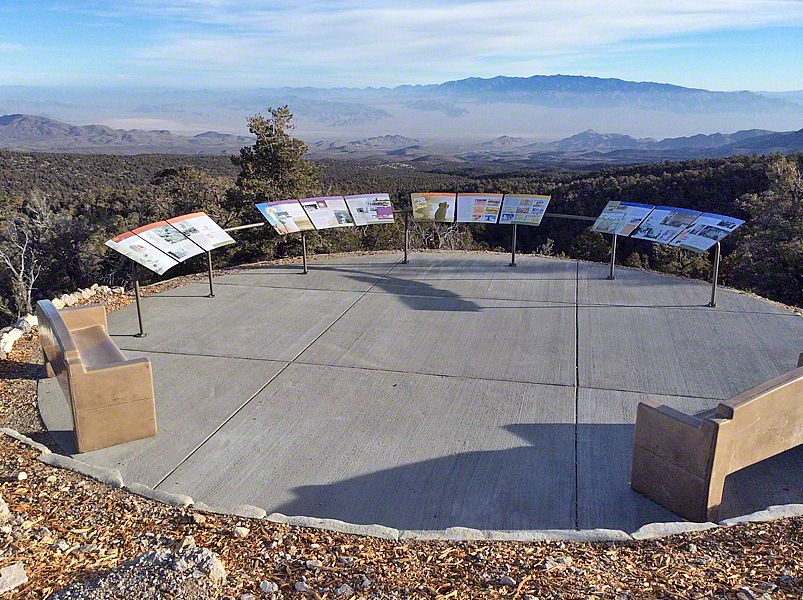
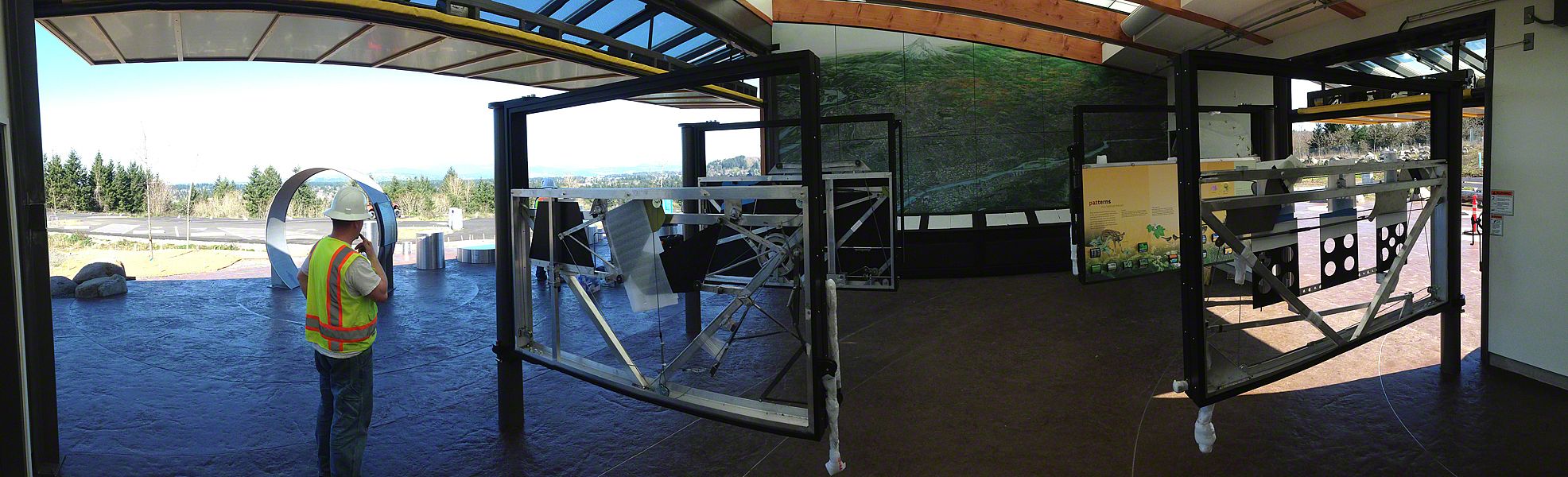
The day is stunning as our team of six begins work installing an indoor-outdoor visitor center on Powell Butte near Portland. From our worksite, we can see a 280-degree elevated view of east Portland. Mt Hood stands snow-capped in the distance. After months of finessing a series of Rube-Goldberg-style interactives and hand crafting layers of exhibitry, we finally reach the moment of truth: will all the pieces go together and function as planned?
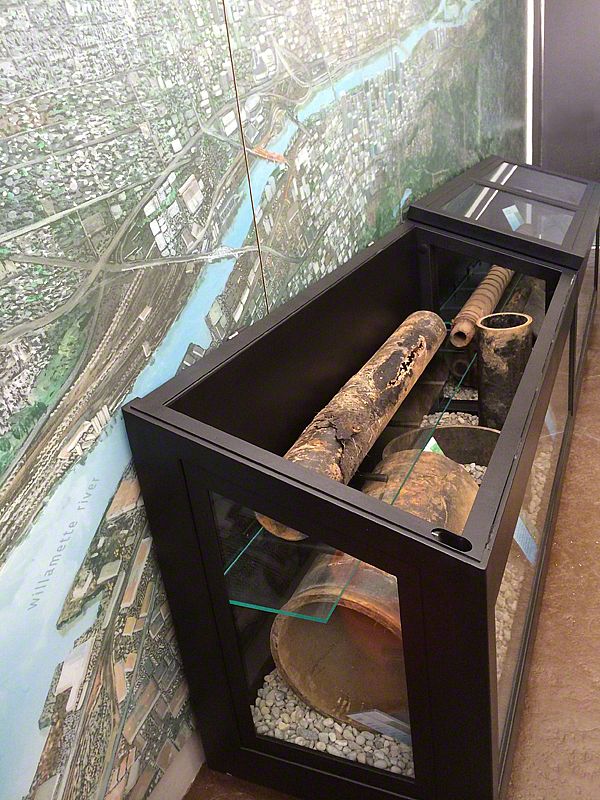
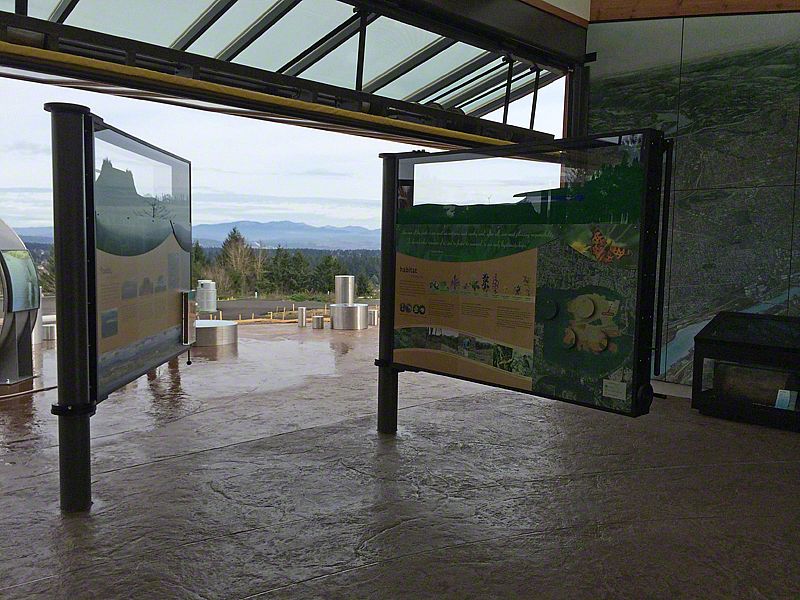
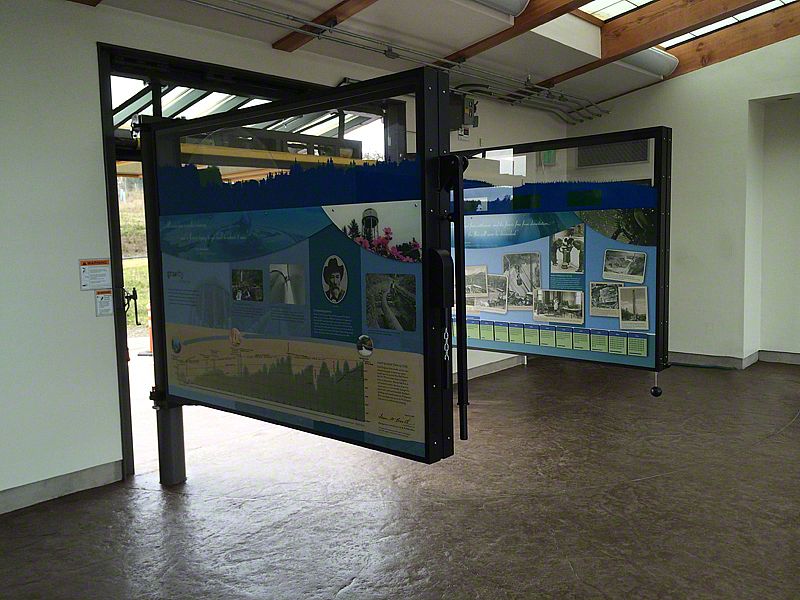
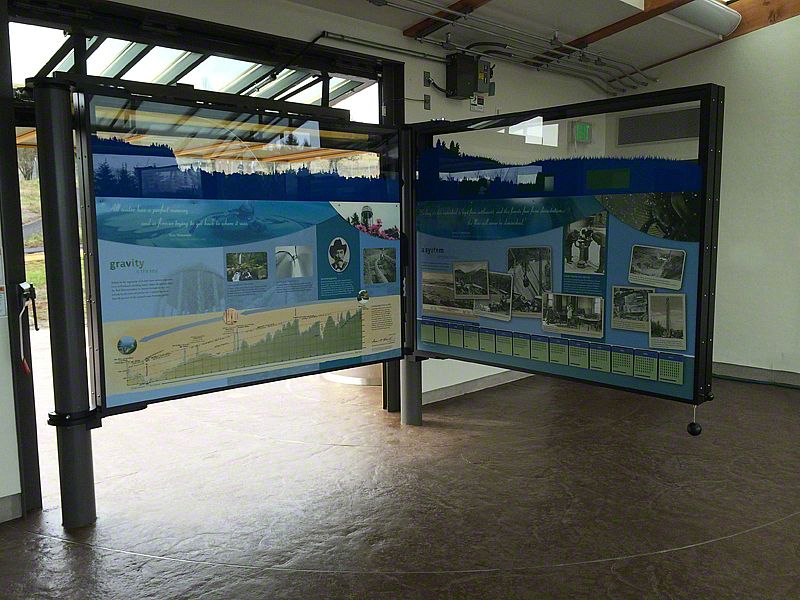
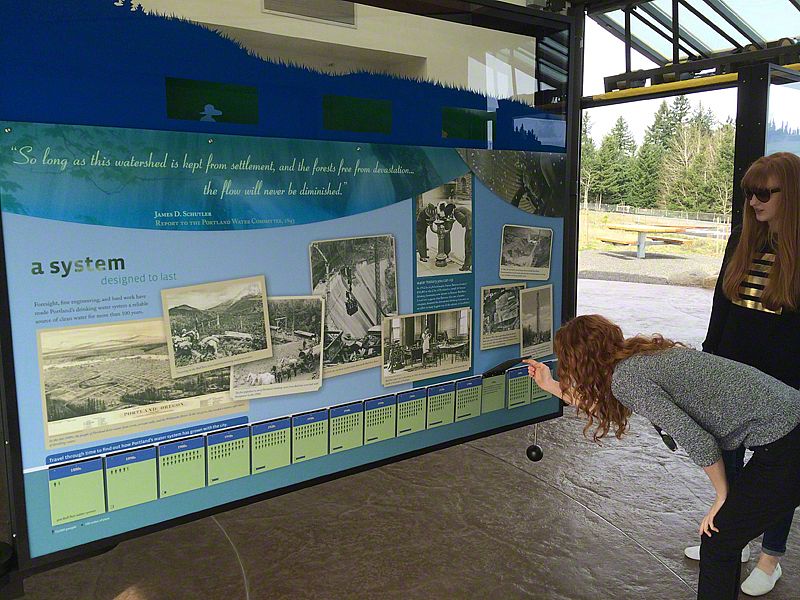
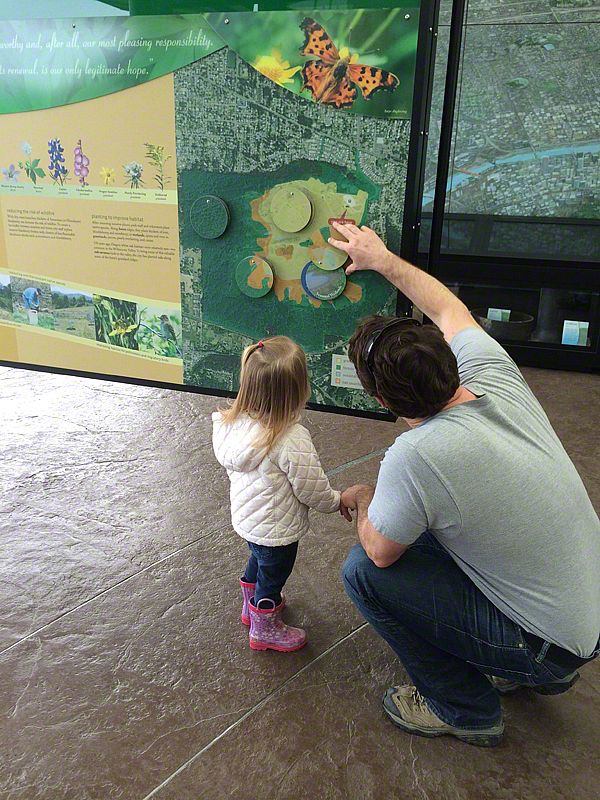
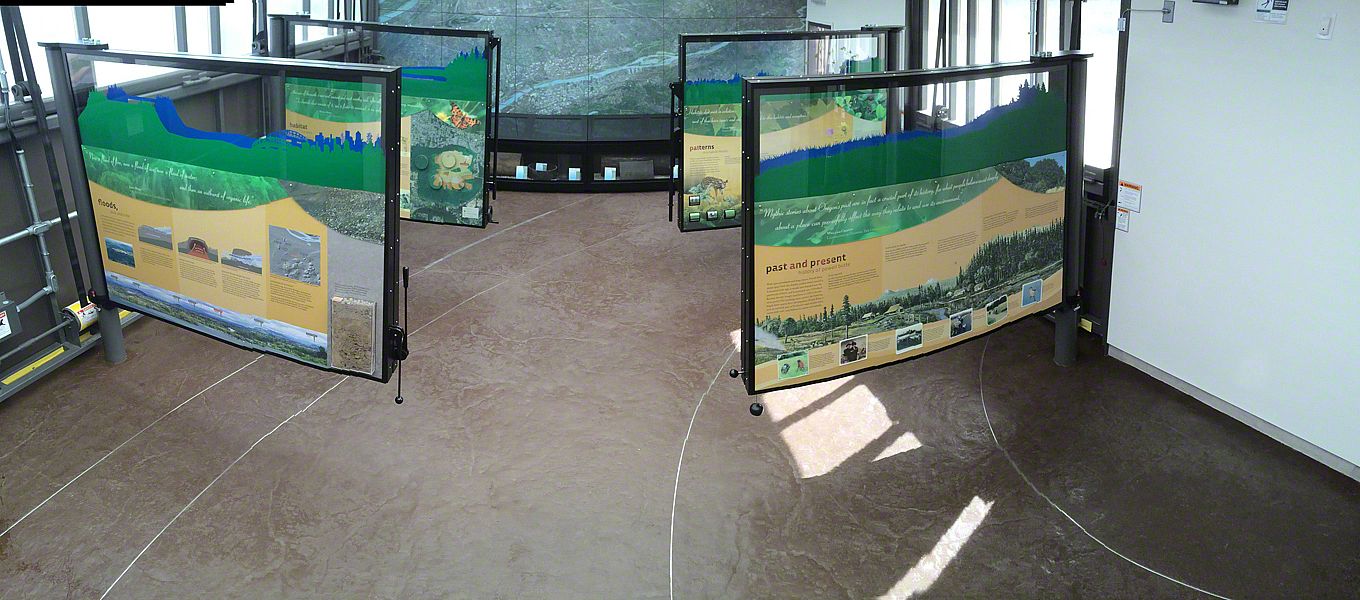
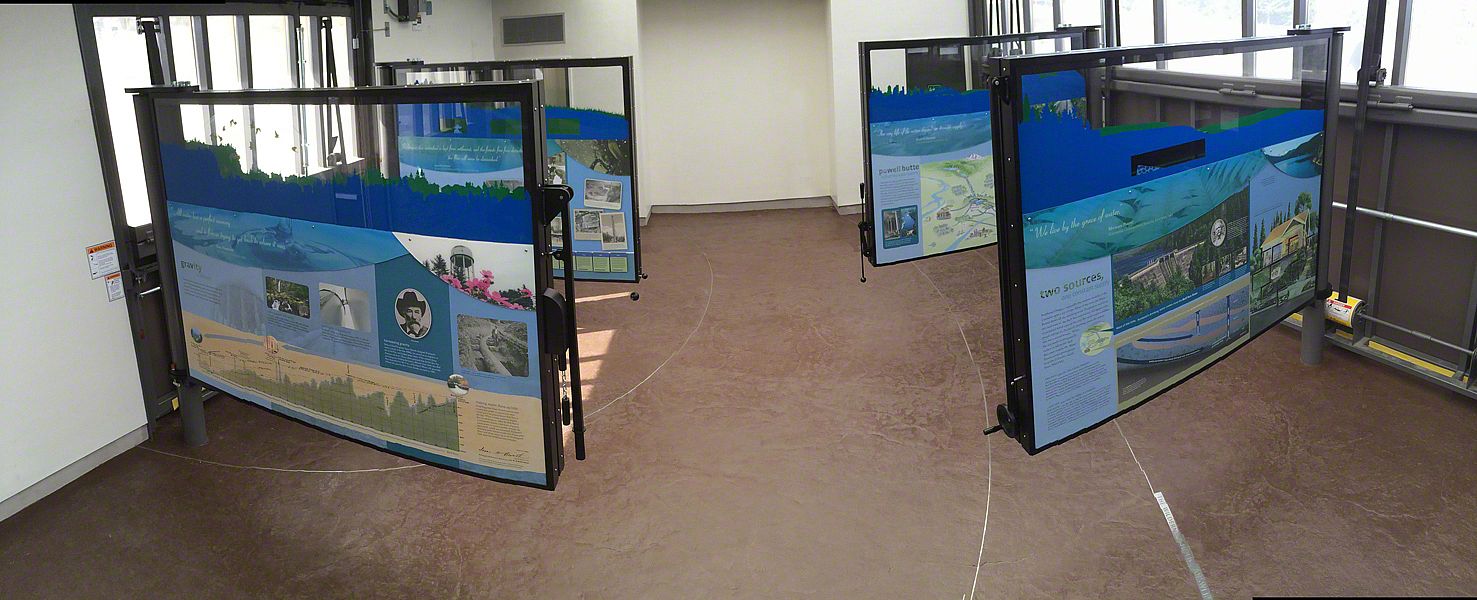
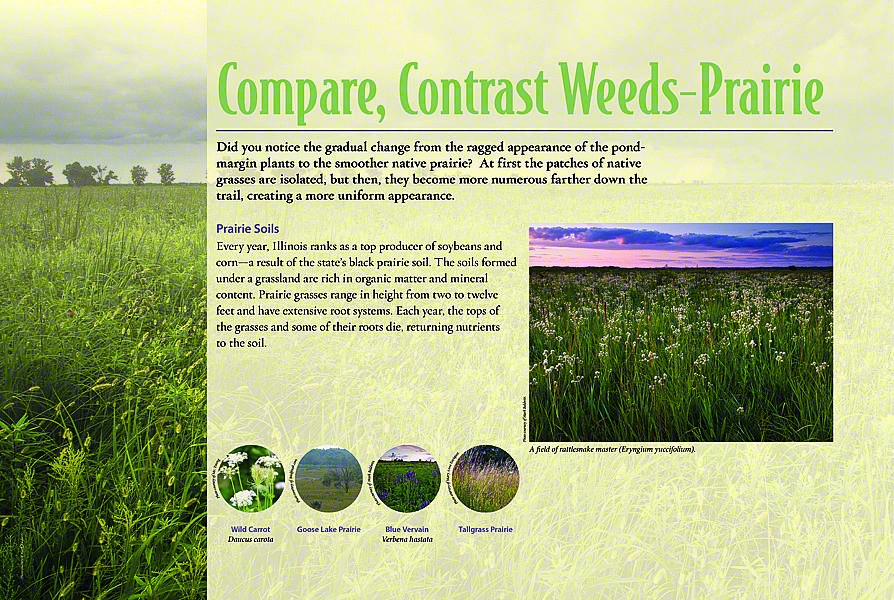
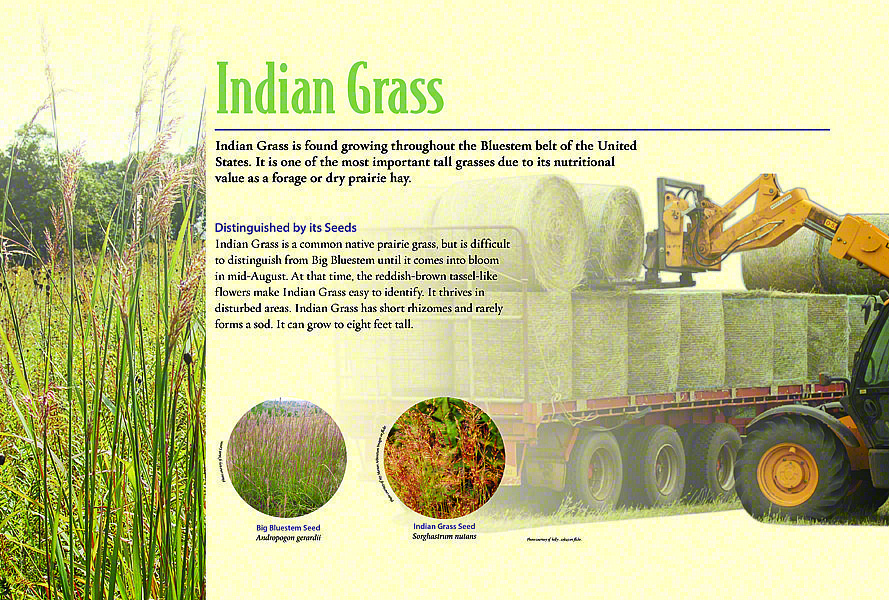
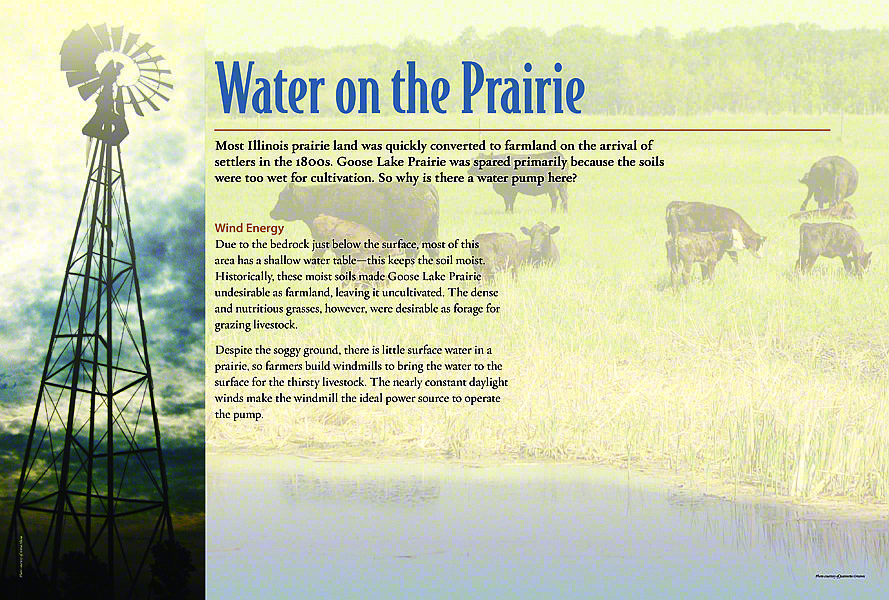
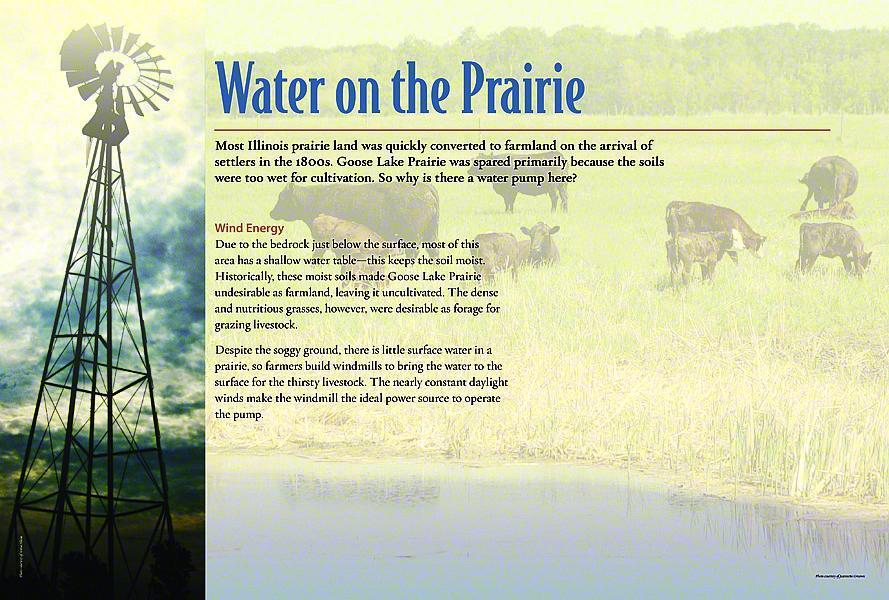
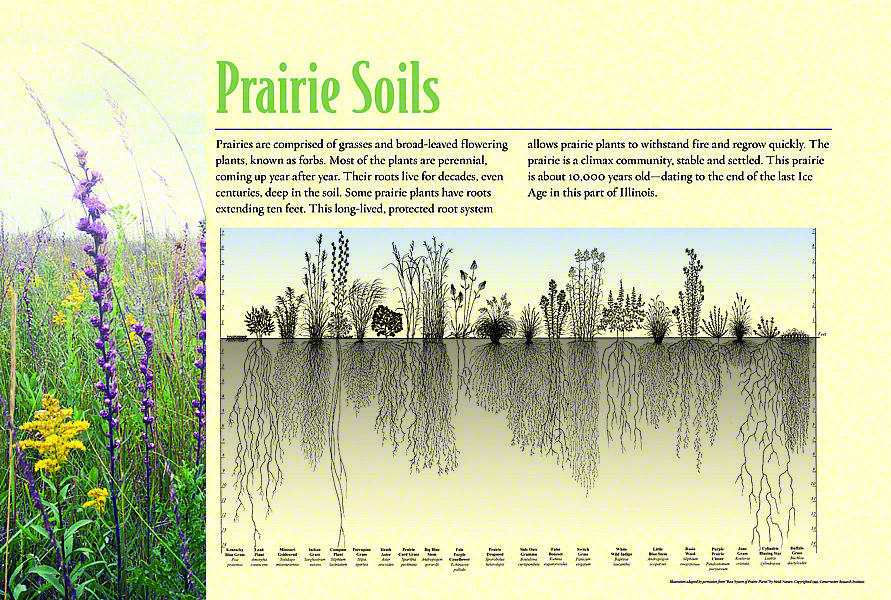
The exhibits focus on two distinct themes: the natural history of Powell Butte, and the form and function of the Portland water system. The topics intertwine - a natural history exhibit describes the geologic formation of the butte, and the related water system exhibit shows how this and other nearby buttes are beautifully suited to storing and delivering Portland's water using the power of gravity.
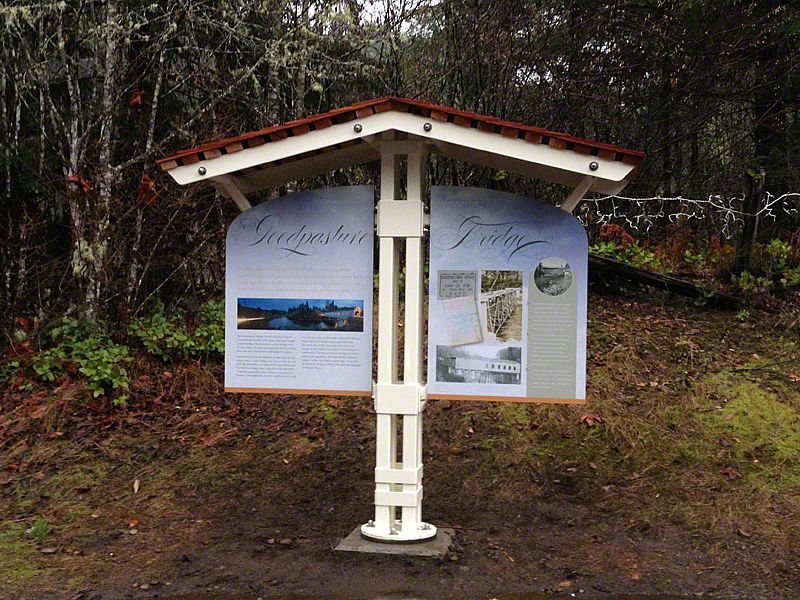
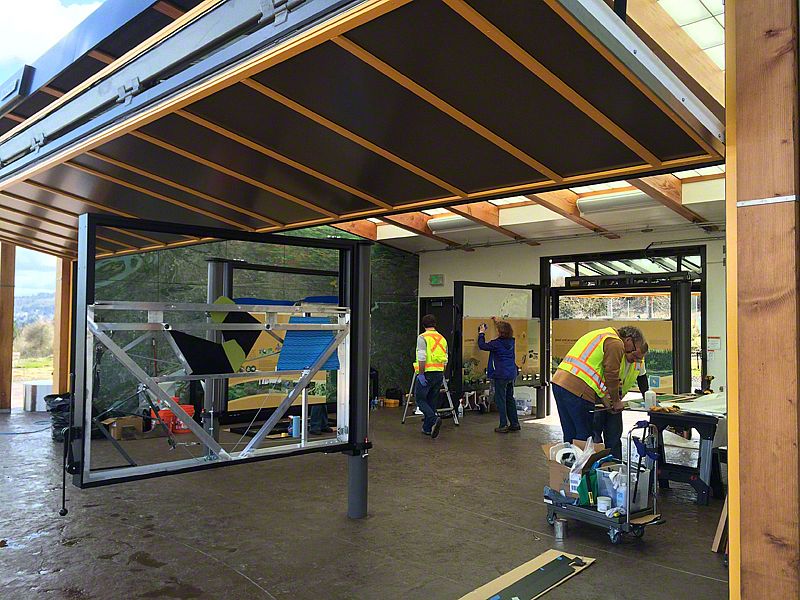
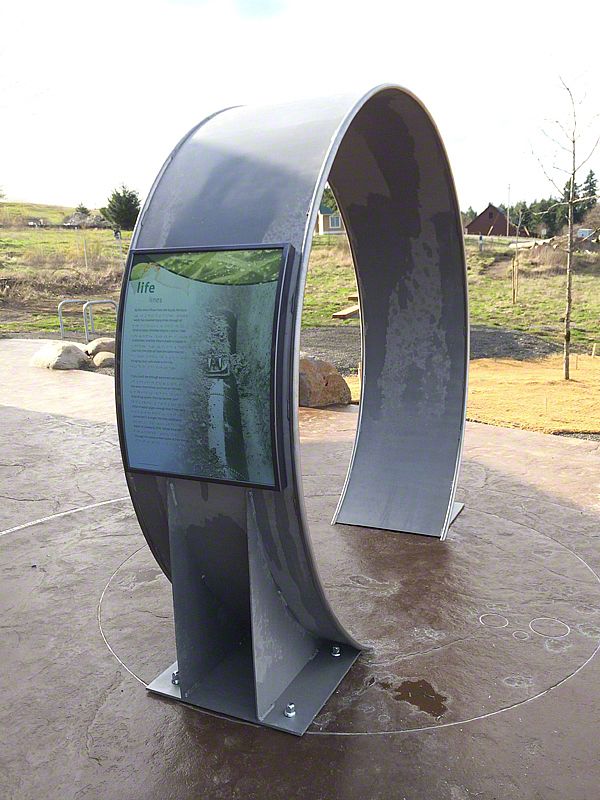
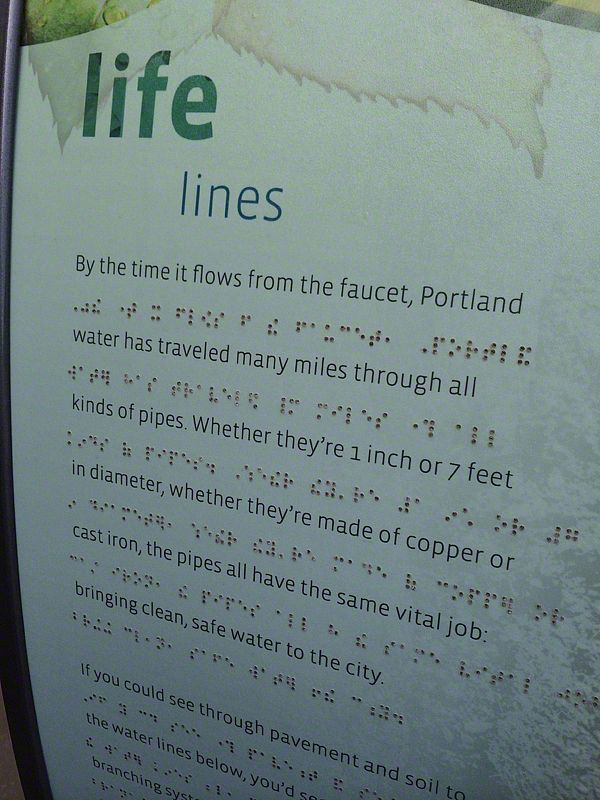
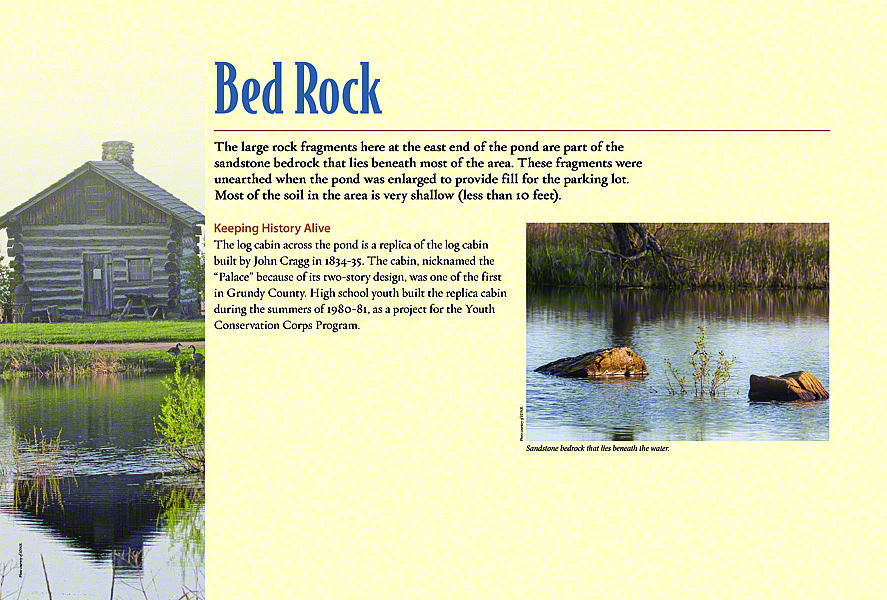
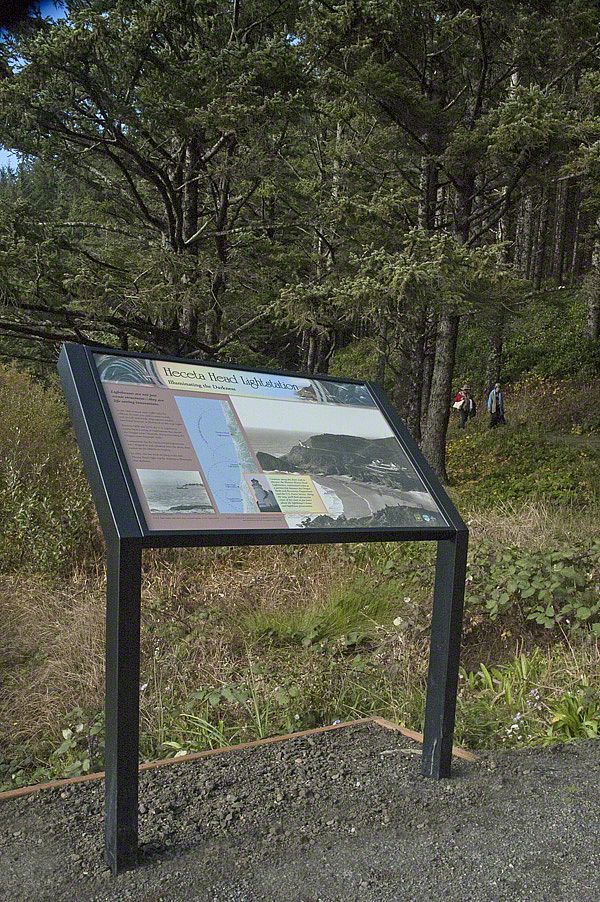
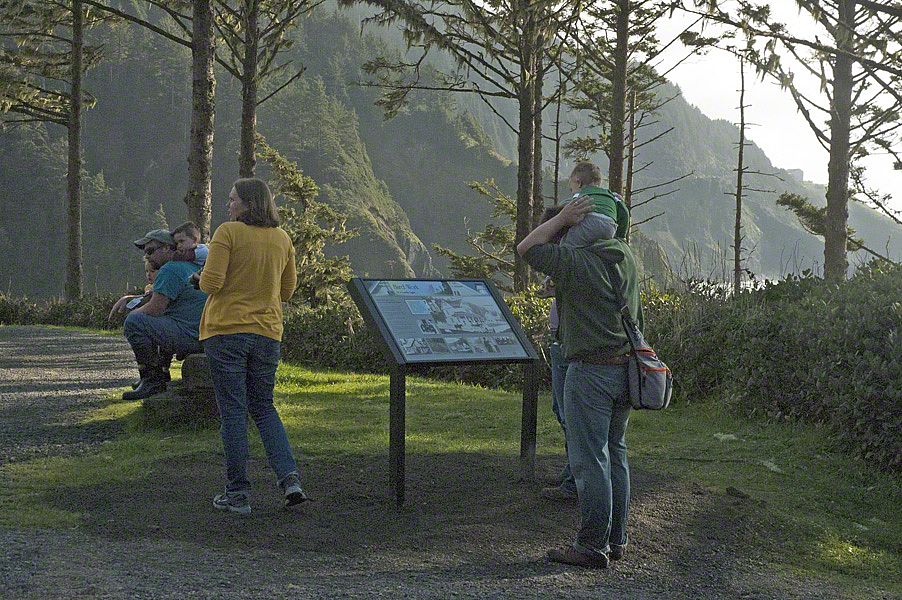
The exhibits are designed to meet the client's need for flexibility, and access. Each of the huge, double-sided panels can pivot out of the way on six and a half feet steel posts, allowing groups to gather under cover. The cantilevered, gate-like structures allow an instructor to focus on only the natural history story, or only the water story, by configuring the room in such a way that only one story is visible from the inside.
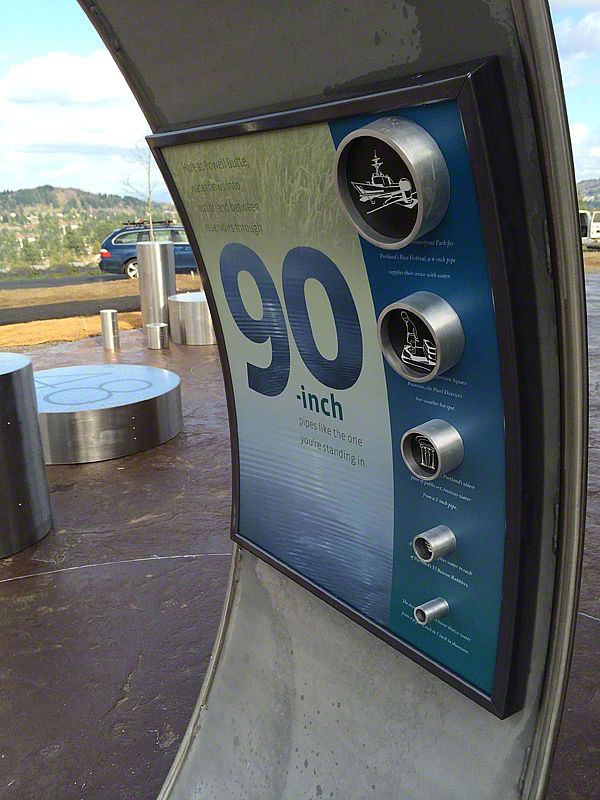
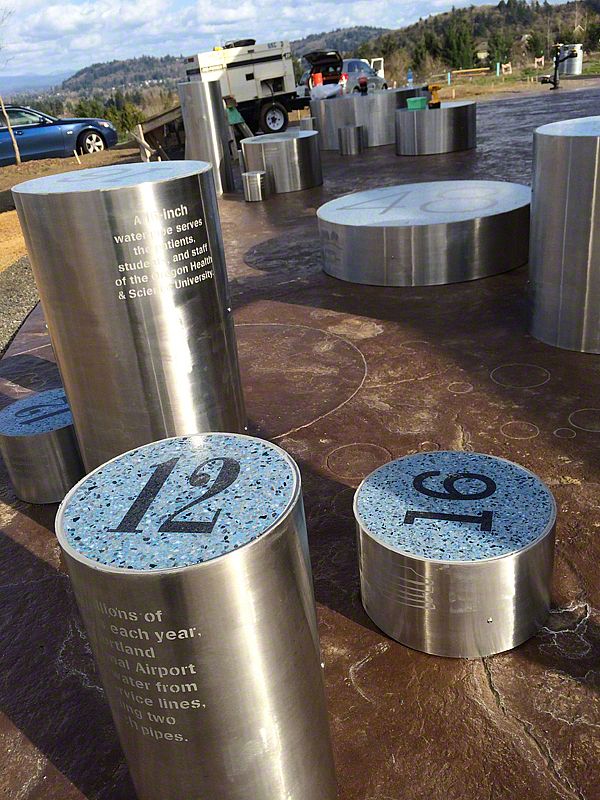
Surrounding the visitor center building are stainless steel cylinders jutting out of the stained and textured pavement - some just a few inches and others as high as several feet. The cylinders, which are topped with bright blue terrazzo, beg to be climbed, sat on or even laid down on. Each cylinder represents a different size of pipe in the Portland water system. The largest pipe, at 90 inches, forms an arch you can walk through, while the smallest, at just a half inch, is a mere peephole.